
Is it a good time to sell a house in Dunwoody, Georgia?

If you’re a homeowner in Dunwoody, Georgia, you may be wondering whether now is a good time to sell your house. While the decision to sell a property is a personal one that depends on a variety of factors, there are some general trends in the Dunwoody real estate market that can help inform your decision.

Demand for Homes

One of the most important factors to consider when deciding whether to sell your home is the demand for homes in the area. Fortunately, Dunwoody is currently experiencing a strong real estate market, with high demand for homes and low inventory levels. This means that there are more buyers than there are homes for sale, which can lead to multiple offers and a quicker sale.

According to recent data from Zillow, the median home value in Dunwoody is $535,000, and home values have increased by 18.4% over the past year. Additionally, the average number of days on the market for homes in Dunwoody is currently around 29 days, which is relatively low and indicates that homes are selling quickly.

Low Interest Rates

Another factor that could make it a good time to sell your home in Dunwoody is the current low interest rates. When interest rates are low, it can make it more affordable for buyers to purchase a home, which can lead to increased demand for properties. Additionally, low interest rates can make it easier for buyers to afford a higher-priced home, which could help increase the value of your property.

Economic Conditions

The overall state of the economy can also play a role in the real estate market. Fortunately, the economy in Dunwoody and the surrounding area is generally strong, with a low unemployment rate and a growing job market. This can help drive demand for homes, as more people move to the area for work or to take advantage of local amenities and attractions.

However, it’s important to note that economic conditions can be unpredictable, and there is always the possibility of a downturn or recession that could impact the real estate market. If you’re considering selling your home, it’s important to work with a knowledgeable real estate agent who can help you assess the current market conditions and make an informed decision.

Local Factors

In addition to broader market trends, there are some local factors that could make it a good time to sell your home in Dunwoody. For example, if there are new developments or amenities being added to the community, it could make the area more attractive to potential buyers and lead to an increase in home sales.
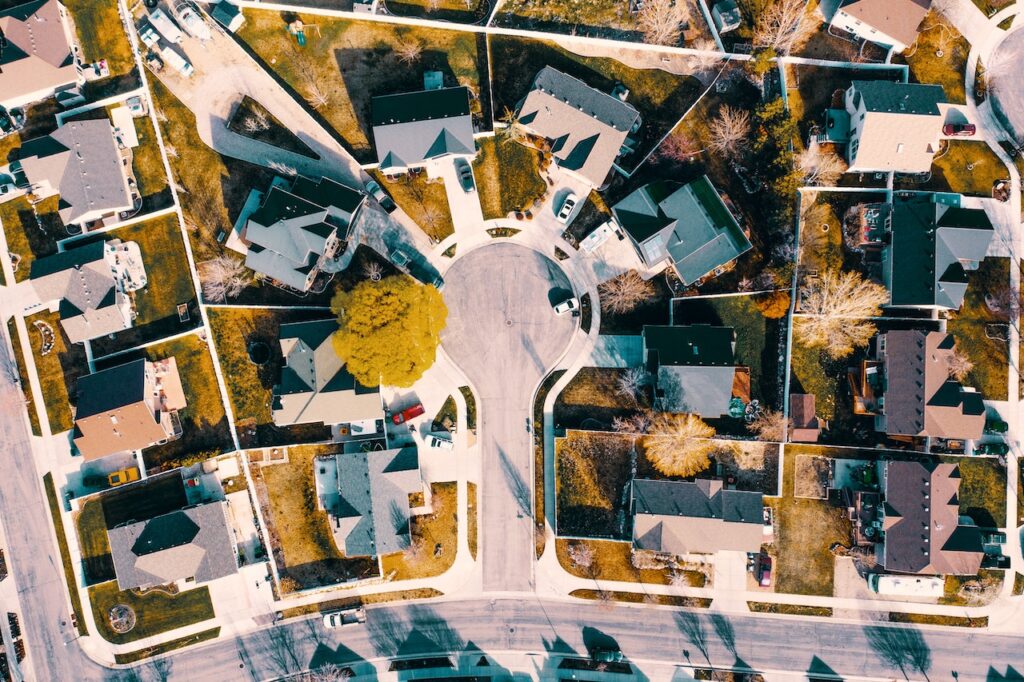
Photo by: Michael Tuszynski

It’s also important to consider the current inventory of homes on the market. If there are few homes for sale in Dunwoody, it could lead to increased demand for properties and a quicker sale. However, if there are many homes for sale, it could be more difficult to sell your property.

Ultimately, the decision to sell your home in Dunwoody is a personal one that depends on a variety of factors. While the current market conditions suggest that it could be a good time to sell, it’s important to carefully consider your individual situation and work with a qualified real estate agent who can help you make an informed decision. By carefully assessing the market and working with a trusted professional, you can increase your chances of a successful sale and a positive outcome.


How do I sell my house by owner in Dunwoody, Georgia?

If you’re considering selling your house in Dunwoody, Georgia, you may be wondering whether it’s possible to sell it yourself without the assistance of a real estate agent. Selling your house by owner, also known as “FSBO” (for sale by owner), can save you money on real estate commissions, but it requires more work on your part. Here are the steps to follow if you want to sell your house by owner in Dunwoody.

Price Your Home

The first step in selling your house by owner is to determine its value. You can do this by researching comparable properties in your area and checking recent home sales data. This will give you an idea of what similar homes in your area are selling for. Once you have an estimate of your home’s value, you can set a price for your home.

Prepare Your Home

Before you put your home on the market, you’ll need to prepare it for potential buyers. This may include deep cleaning, decluttering, and staging your home. You want to make your home as attractive as possible to potential buyers.

List Your Home

Once your home is ready, it’s time to list it for sale. There are several options for listing your home for sale by owner. You can list it on online real estate marketplaces like Zillow and Redfin, create a website for your home, or even list it on social media platforms like Facebook.

Market Your Home

Once you’ve listed your home, you need to market it to potential buyers. This may include creating professional-looking photos and videos of your home, creating a description that highlights its best features, and posting on social media.

Show Your Home

When potential buyers express interest in your home, it’s time to show it to them. You can schedule open houses or showings by appointment.

Negotiate and Close the Sale

Once you receive an offer, it’s time to negotiate and close the sale. You may want to hire an attorney to help with the paperwork and legal aspects of the transaction.

Photo by: Pavel Danilyuk

Tips for Selling Your Home By Owner

Selling your home by owner can be a rewarding experience, but it requires more work than selling through a real estate agent. Here are some tips to help you sell your home successfully:

Price your home realistically. If you overprice your home, it may sit on the market for a long time, and you may have to lower the price later.

Be responsive to potential buyers. Respond to inquiries promptly, and be available to show your home when buyers are interested.

Highlight your home's best features. Use professional-looking photos and descriptions to showcase your home's best features.

Be prepared to negotiate. You may receive offers that are lower than your asking price, so be prepared to negotiate to reach a mutually acceptable price.

Consider hiring an attorney. An attorney can help you navigate the legal aspects of the transaction and ensure that everything is done correctly.

In conclusion, selling your home by owner in Dunwoody, Georgia, is possible, but it requires more work on your part. You’ll need to research your home’s value, prepare your home, list and market it, show it to potential buyers, and negotiate and close the sale. By following these steps and tips, you can successfully sell your home without the assistance of a real estate agent.

How do you qualify to buy a house in Dunwoody, Georgia?

Buying a house is a major investment, and it’s important to understand the qualifications and requirements for purchasing a home in Dunwoody, Georgia. Here are some key factors to consider when it comes to qualifying to buy a house in this area.

Credit Score

Your credit score is one of the most important factors in determining whether you qualify to buy a house in Dunwoody. Most lenders will require a minimum credit score of 620, although some may require a higher score depending on the type of loan you’re applying for. A higher credit score generally means you’ll qualify for a lower interest rate, which can save you thousands of dollars over the life of your loan.

Income and Employment History

Lenders will also look at your income and employment history when deciding whether to approve you for a mortgage. Most lenders require a debt-to-income ratio of 43% or less, which means your total monthly debt payments (including your mortgage) should be no more than 43% of your monthly income. You’ll also need to have a steady job history and a consistent source of income to show lenders that you can afford to make your monthly mortgage payments.

Down Payment and Closing Costs

Another factor to consider when qualifying to buy a house in Dunwoody is your ability to make a down payment and pay closing costs. Most lenders require a down payment of at least 3% to 5% of the home’s purchase price, although some loans may require a higher down payment. You’ll also need to have enough money set aside to cover closing costs, which can range from 2% to 5% of the purchase price of the home.

Debt and Savings

In addition to your income and employment history, lenders will also look at your debt-to-income ratio and savings when deciding whether to approve you for a mortgage. It’s important to pay off as much debt as possible before applying for a mortgage, as high levels of debt can impact your ability to make your monthly mortgage payments. You’ll also need to have some savings set aside to cover unexpected expenses and to show lenders that you have the financial stability to handle the costs of owning a home.

Mortgage Pre-Approval

One of the best ways to determine whether you qualify to buy a house in Dunwoody is to get pre-approved for a mortgage. This involves filling out an application and providing documentation to a lender, who will then evaluate your credit score, income, and other factors to determine whether you qualify for a mortgage and how much you can afford to borrow. Getting pre-approved for a mortgage can also make the home-buying process smoother, as it shows sellers that you’re a serious buyer who is ready to make an offer.

In summary, qualifying to buy a house in Dunwoody, Georgia requires a combination of factors, including a strong credit score, steady income and employment history, savings, and the ability to make a down payment and pay closing costs. It’s important to work with a knowledgeable and experienced real estate agent who can guide you through the home-buying process and help you find a home that fits your budget and lifestyle. With the right preparation and guidance, you can achieve your dream of owning a home in Dunwoody.

What salary do you need to buy a house in Dunwoody, Georgia?

Dunwoody, Georgia is an affluent suburb of Atlanta known for its excellent schools, parks, and shopping. It’s a highly desirable area to live in, but with the rising cost of living, many people are wondering what salary they need to buy a house in Dunwoody.

According to recent data from Zillow, the median home value in Dunwoody is $535,000, which is significantly higher than the national median home value of $289,000. To purchase a home in Dunwoody, you’ll need to have a down payment of at least 20%, which is $107,000 based on the current median home value.

Mortgage Payments

Assuming you have a 20% down payment, you’ll need to take out a mortgage for the remaining $428,000. The amount of your monthly mortgage payment will depend on a variety of factors, including the interest rate, the length of your mortgage, and your credit score.

Currently, the average interest rate for a 30-year fixed-rate mortgage is around 3.1%, according to Bankrate. Based on this rate, your monthly mortgage payment for a $428,000 loan would be around $1,821.

Property Taxes

In addition to your mortgage payments, you’ll also need to factor in property taxes when determining the salary you need to buy a house in Dunwoody. Property taxes in Georgia are relatively low compared to other states, with an average effective property tax rate of 0.91%, according to SmartAsset.

Based on the median home value of $535,000 in Dunwoody, you can expect to pay around $4,869 per year in property taxes, or about $406 per month.

Homeowners Insurance

Another cost to consider when buying a home in Dunwoody is homeowners insurance. This insurance protects your home and possessions in the event of damage or loss, and is typically required by mortgage lenders.

The cost of homeowners insurance varies depending on the value of your home, the level of coverage you choose, and other factors. According to Bankrate, the average cost of homeowners insurance in Georgia is around $1,265 per year, or about $105 per month.

Other Costs

In addition to mortgage payments, property taxes, and homeowners insurance, there are other costs to consider when buying a home in Dunwoody. These can include closing costs, maintenance and repairs, and utilities.

Photo by: Karolina Grabowska

Closing costs typically range from 2-5% of the home’s purchase price, and can include fees for appraisals, inspections, and title searches. Maintenance and repairs will vary depending on the age and condition of the home, but it’s generally recommended to budget around 1-3% of the home’s value per year for these costs.

Utilities will also depend on the size and type of home you purchase, as well as your personal usage habits. However, you can expect to pay for electricity, water, gas, and other utilities, which can add up to several hundred dollars per month.

Overall, to buy a home in Dunwoody, you’ll need a salary of around $120,000 to cover mortgage payments, property taxes, homeowners insurance, and other costs. This assumes a 20% down payment, a 30-year mortgage, and average costs for property taxes and homeowners insurance.

Of course, the actual salary you need to buy a home in Dunwoody will depend on your individual financial situation, including your debt-to-income ratio, credit score, and other factors. It’s important to work with a financial advisor and a reputable lender to determine how much home you can afford and what steps you need to take to achieve your home buying goals.

What is the average down payment on a house in Dunwoody, Georgia?

Buying a house is a big financial decision, and one of the key factors to consider is the down payment. A down payment is the amount of money you pay upfront when purchasing a home, and it’s typically expressed as a percentage of the home’s purchase price. In Dunwoody, Georgia, the average down payment on a house can vary depending on several factors. Here’s what you need to know.

How Much is the Average Down Payment in Dunwoody, Georgia?

According to data from Zillow, the average home value in Dunwoody is approximately $550,000. If you’re buying a home in Dunwoody, you can expect to pay a down payment of around 20% of the purchase price. That means the average down payment in Dunwoody is approximately $110,000.

Keep in mind that this is just an average, and your down payment may be higher or lower depending on your specific situation. For example, if you’re a first-time homebuyer, you may be able to qualify for a lower down payment through programs like the Federal Housing Administration (FHA) loan program or the Veterans Affairs (VA) loan program.

Factors that Affect Down Payment Amounts

Several factors can affect the amount of your down payment, including:

Credit Score: Your credit score plays a significant role in determining your down payment amount. If you have a high credit score, you may be able to qualify for a lower down payment. On the other hand, if you have a lower credit score, you may be required to pay a higher down payment to secure a mortgage.

Type of Mortgage: The type of mortgage you choose can also affect your down payment amount. For example, conventional mortgages typically require a down payment of 20%, while FHA loans may require a down payment of as little as 3.5%.

Home Price: The price of the home you’re purchasing is another factor to consider. If you’re buying a more expensive home, your down payment will be higher.

Location: The location of the home you’re purchasing can also affect your down payment amount. In some areas, down payment requirements may be lower to encourage homebuyers to move to the area.

How to Save for a Down Payment

Saving for a down payment can be challenging, especially if you’re already paying rent and other bills. Here are some tips to help you save for a down payment:

Create a Budget: Start by creating a budget that tracks your income and expenses. Look for areas where you can cut back on spending, such as dining out or subscription services.

Automate Your Savings: Set up automatic transfers from your checking account to a savings account. Even small amounts can add up over time.

Explore Down Payment Assistance Programs: Some states and local governments offer down payment assistance programs to help first-time homebuyers.

Consider a Side Hustle: If you have spare time, consider taking on a side hustle to earn extra income. You could sell items online, tutor, or freelance.

Photo by: JD ‘S

In conclusion, the average down payment on a house in Dunwoody, Georgia, is approximately 20% of the purchase price, or around $110,000 for a home valued at $550,000. However, the actual down payment amount can vary depending on your credit score, the type of mortgage, the home’s price, and other factors. If you’re considering buying a home in Dunwoody, it’s essential to plan ahead and start saving early to ensure you can afford the down payment.

What taxes do you pay when you sell a house in Dunwoody, Georgia?

Selling a house is an exciting but often complex process. In Dunwoody, Georgia, homeowners need to be aware of the various taxes that they will be required to pay when they sell their property. This article will provide an overview of the taxes that homeowners need to consider when selling a house in Dunwoody.

Capital Gains Tax

The capital gains tax is a federal tax that applies to the profit that you make from the sale of your home. This tax is calculated based on the difference between the amount you paid for the property and the amount you sold it for. However, there are some exemptions available that can reduce or eliminate the capital gains tax. For example, if you have lived in the property for at least two out of the past five years, you may qualify for an exclusion of up to $250,000 in profit if you’re a single filer, or up to $500,000 if you’re a married couple filing jointly.

Property Transfer Tax

The state of Georgia imposes a transfer tax on the sale of real estate. The tax is calculated based on the sales price of the property and is typically paid by the seller. The transfer tax in Dunwoody is currently $1.00 per $1,000 of the sales price. For example, if you sell your home for $400,000, you will be required to pay a transfer tax of $400.

Real Estate Agent Commission

When you sell your home, you will most likely work with a real estate agent. The agent’s commission is typically a percentage of the sale price of the property and is paid by the seller. The commission rate can vary, but it is typically around 5% to 6% of the sale price. It’s important to factor in this cost when calculating your expenses related to the sale of your home.

Property Taxes

Property taxes are based on the value of your home and are paid annually. When you sell your home, you will be responsible for paying any outstanding property taxes up to the date of the sale. The amount of property taxes owed will be prorated based on the date of the sale, so you will only be responsible for paying your share of the taxes up until the date of the sale.

Closing Costs

Closing costs are fees that are associated with the sale of a home and are typically paid by the seller. These costs can include things like attorney fees, title fees, and recording fees. The amount of closing costs can vary depending on the sale price of the property and the services that are needed to complete the sale.

In conclusion, when selling a house in Dunwoody, Georgia, there are several taxes that homeowners need to consider. These taxes include the capital gains tax, property transfer tax, real estate agent commission, property taxes, and closing costs. It’s important to factor in these costs when calculating the potential profit from the sale of your home. Working with a knowledgeable real estate agent can help you navigate the complex process of selling a home and ensure that you understand all of the costs associated with the sale.

What is the first step in selling a property

The first step in selling a property is to prepare yourself and your property for sale. Selling a property can be a complex process, and it is essential to get it right to ensure a smooth and successful sale. Here are some essential steps to take when selling a property:

Determine Your Selling Goals

The first step in selling your property is to determine your selling goals. Ask yourself questions like, “why am I selling my property?”, “what is the minimum price I am willing to accept?”, and “how quickly do I need to sell?”. Answering these questions will help you stay focused throughout the selling process.

Conduct Research

Conduct research on the local real estate market to understand what properties are selling for in your area. This will help you set a realistic price for your property and make informed decisions throughout the selling process. Researching the market will also help you identify any trends or patterns that could impact your sale.

Make Repairs and Improvements

Make any necessary repairs and improvements to your property before listing it for sale. A fresh coat of paint, new flooring, and minor repairs can make a significant difference in the value of your property. Small investments in improvements can lead to higher returns on your sale.

Hire a Real Estate Agent

Hiring a reputable real estate agent is one of the most important steps in selling a property. A real estate agent can help you set the right price, create a marketing plan, and handle negotiations with potential buyers. They can also provide valuable insights into the local real estate market and help you avoid common pitfalls.

Set the Right Price

Pricing your property correctly is crucial to a successful sale. Overpricing your property can lead to it sitting on the market for too long, which can turn off potential buyers. A real estate agent can help you determine the right price for your property based on its condition, location, and market trends.

Market Your Property

Marketing your property is essential to attracting potential buyers. Your real estate agent can help you create a marketing plan that includes listing your property on popular real estate websites, such as Zillow and Redfin, as well as social media platforms. They can also hold open houses and showcase your property to potential buyers.

Negotiate and Accept an Offer

Once you receive an offer on your property, it’s time to negotiate and accept the best offer. Your real estate agent can help you navigate negotiations and ensure that you get the best possible terms and price for your property. Once you’ve accepted an offer, it’s time to prepare for closing the sale.

In conclusion, selling a property requires preparation, research, and careful consideration. The first step in selling a property is to determine your selling goals and conduct research on the local real estate market. Make any necessary repairs and improvements to your property, hire a reputable real estate agent, set the right price, and market your property to potential buyers. Once you receive an offer, negotiate and accept the best offer, and prepare for closing the sale. By taking these steps, you can ensure a smooth and successful sale of your property.

What month is best to sell a house in Dunwoody, Georgia?

Selling a house can be an overwhelming experience, and deciding on the best time to put your property on the market is one of the biggest decisions you’ll make. If you’re a homeowner in Dunwoody, Georgia, you may be wondering what month is best to sell your house. While there is no definitive answer, there are some factors that you should consider when determining the best time to sell your home.

The Spring Market

In general, the real estate market tends to heat up in the spring. This is often referred to as the spring market, and it’s a time when many homebuyers start looking for new homes. The weather is mild, and people are often in a better mood, which can lead to a more positive homebuying experience. Additionally, many families with children aim to move in the summer, so they may start their home search in the spring to ensure they can be settled before the next school year.

In Dunwoody, the spring market typically begins in March or April and continues through May or June. This is the time when you may see the most activity from homebuyers, which could result in a quicker sale and potentially even multiple offers.

Seasonal Factors

Dunwoody, like many areas of the country, experiences seasonal fluctuations in the real estate market. The summer months tend to be slower due to the heat and people taking vacations. Fall can also be a slower time for home sales as families have settled into their routines for the school year. Winter is often considered the slowest season for home sales, as the holidays and colder weather can make it more difficult for buyers to get out and look at properties.

While seasonal factors should be taken into account, they shouldn’t be the only consideration. Other factors, such as the state of the economy and local job market, can also have an impact on the real estate market.

Local Factors

In addition to seasonal and economic factors, there are some local factors that you should consider when deciding when to sell your home in Dunwoody. For example, if a new employer has recently moved to the area, it could lead to an influx of new residents and a higher demand for housing. Additionally, if there are new developments or amenities being added to the community, it could make Dunwoody a more attractive place to live and lead to an increase in home sales.

It’s also important to consider the inventory of homes on the market. If there are a lot of homes for sale in Dunwoody, it could be more difficult to sell your home, regardless of the time of year. On the other hand, if there are few homes on the market, it could lead to a higher demand for properties and a quicker sale.

Ultimately, the best time to sell your home in Dunwoody will depend on a variety of factors, including the time of year, the state of the economy, local factors, and the inventory of homes on the market. Working with an experienced real estate agent who is familiar with the Dunwoody market can help you navigate these factors and make an informed decision about when to sell your home. By carefully considering the timing of your sale and other key factors, you can increase your chances of a successful sale and a positive outcome.

Do you need an attorney to sell a house in Dunwoody, Georgia?

Selling a house is a complex process that involves numerous legal, financial, and administrative tasks. If you’re selling a house in Dunwoody, Georgia, you may be wondering if you need an attorney to assist you with the process. While it’s not legally required to hire an attorney to sell a house in Georgia, there are several reasons why you may want to consider doing so.

Legal Expertise

An attorney can provide you with legal expertise that can be invaluable during the home selling process. They can help you understand your legal rights and obligations, ensure that your sale documents are legally sound, and protect your interests throughout the transaction.

Contract Review

One of the most important reasons to hire an attorney when selling a house is to review the sales contract. An attorney can review the contract and ensure that it contains all the necessary terms and conditions. They can also advise you on any provisions that may be unclear or that could potentially put you at risk.

Title Search and Clearance

Another important task that an attorney can assist with is conducting a title search and clearance. This process involves checking the property’s title to ensure that there are no outstanding liens, encumbrances, or other issues that could affect the sale. An attorney can also help clear any title issues that may arise, which can be crucial to closing the sale.

Disclosure Requirements

Georgia law requires home sellers to disclose certain information about the property to potential buyers, including known defects and hazards. An attorney can help ensure that you comply with these requirements and avoid any legal issues that may arise from failing to disclose necessary information.

Closing Process

Finally, an attorney can help you navigate the closing process. They can review the closing documents and ensure that they’re legally binding and accurate. An attorney can also attend the closing with you and help you understand any last-minute changes or questions that may arise.

While hiring an attorney to sell a house in Dunwoody, Georgia, is not legally required, it can provide significant benefits and peace of mind during the home selling process. When considering whether to hire an attorney, it’s important to consider the complexity of the transaction, the potential risks involved, and the importance of protecting your legal interests.

If you do decide to hire an attorney to sell your house, there are several things to keep in mind. First, be sure to choose an attorney with experience in real estate law and a strong track record of success. Second, make sure that you fully understand the attorney’s fees and any other costs associated with their services. Finally, be prepared to work closely with your attorney throughout the transaction to ensure that everything goes smoothly and that your interests are protected.

In conclusion, while you don’t legally need an attorney to sell a house in Dunwoody, Georgia, it can be a wise decision to hire one. An attorney can provide legal expertise, review the sales contract, conduct a title search and clearance, ensure compliance with disclosure requirements, and assist with the closing process. By working with an experienced real estate attorney, you can have peace of mind knowing that your home sale is legally sound and that your interests are protected.