Negotiating with Confidence: Navigating Offers and Counteroffers When Selling Your House in Dunwoody

Negotiating offers and counteroffers is a critical part of the home-selling process in Dunwoody, Georgia. It’s where both parties work together to reach an agreement that satisfies both the seller and the buyer.

Photo by Dhruv Mehra on Unsplash

The key to success in negotiations is to approach the process with confidence, understanding, and a clear strategy. In this article, we’ll explore essential tips for negotiating with confidence when selling your house in Dunwoody.

  1. Establish Your Priorities:

Before entering negotiations, it’s crucial to clarify your priorities and goals. What is your bottom line in terms of the sale price, closing date, and other terms? Understanding what’s most important to you allows you to negotiate more effectively.

  1. Work with a Skilled Real Estate Agent:

A knowledgeable Dunwoody real estate agent is an invaluable asset during negotiations. They can provide guidance, market insights, and help you make informed decisions. Trust their expertise in pricing, market conditions, and negotiation strategies.

  1. Be Patient:

Negotiations can take time, and it’s not uncommon to go through several rounds of offers and counteroffers. Patience is essential, as it allows both parties to carefully consider each other’s positions and come to an agreement that works for everyone.

  1. Understand the Local Market:

Dunwoody’s real estate market is subject to unique conditions. Understanding these local dynamics can help you set realistic expectations and make informed decisions during negotiations.

  1. Respond Promptly:

In a competitive market like Dunwoody, timing matters. Respond to offers and counteroffers promptly to keep the negotiation process moving forward. Delays can lead to lost opportunities.

  1. Know the Buyer’s Motivation:

Understanding the buyer’s motivations can be advantageous. Are they in a hurry to move in, or are they more focused on securing a lower price? Tailor your counteroffer strategy based on what you know about the buyer.

  1. Avoid Emotional Reactions:

Emotions can run high during negotiations, but it’s crucial to stay composed. Avoid reacting emotionally to offers or counteroffers. Instead, focus on the facts and your priorities.

  1. Determine Your Walk-Away Point:

Before negotiations begin, establish a clear walk-away point. This is the point at which you’re willing to decline an offer and consider other options. Knowing your limits in advance can prevent you from making impulsive decisions.

  1. Prioritize Non-Monetary Terms:

Negotiations aren’t just about the sale price. Consider other terms that may be equally important, such as the closing date, contingencies, and any concessions you’re willing to make.

  1. Be Open to Creative Solutions:

Flexibility can be an advantage in negotiations. Be open to creative solutions that meet both your and the buyer’s needs. For example, offering to leave behind certain furnishings or cover specific closing costs can be a win-win.

  1. Review All Offers:

Even if an offer seems low or unfavorable, carefully review it. There may be elements in the offer that are negotiable, such as closing dates or contingencies. Your real estate agent can help you identify these points.

  1. Communicate Through Your Agent:

It’s often best to communicate through your real estate agent during negotiations. They can convey messages and counteroffers professionally and objectively.

  1. Counteroffer Strategically:

When countering an offer, do so strategically. Be clear about the terms you’re willing to adjust and those you won’t. Avoid making extreme counteroffers that can alienate potential buyers.

  1. Keep the Big Picture in Mind:

Remember the ultimate goal is to sell your house. Don’t let minor disagreements or concessions derail the entire process. Focus on the big picture and the successful outcome you’re working toward.

  1. Get Legal Advice When Necessary:

If negotiations become particularly complex or involve legal considerations, consider seeking advice from a real estate attorney. They can help ensure that you’re making sound decisions within the bounds of the law.

Negotiating with confidence when selling your house in Dunwoody, Georgia, involves a combination of preparation, patience, and clear communication. By understanding your priorities, working with a skilled real estate agent, and staying composed, you can navigate offers and counteroffers successfully and ultimately achieve a favorable sale.


Effective Marketing: Reaching Potential Buyers in Dunwoody’s Real Estate Landscape

Selling a home in Dunwoody, Georgia, requires a well-thought-out marketing strategy to reach potential buyers and stand out in this competitive real estate landscape. Dunwoody is a sought-after community with a diverse pool of buyers, and effectively marketing your property is essential to attract the right audience.

Photo by Sieuwert Otterloo on Unsplash

In this article, we’ll explore key strategies for marketing your home in Dunwoody’s real estate market.

Professional Photography and Virtual Tours:

The visual presentation of your home is paramount. Invest in professional photography that showcases your property in the best light. High-quality images and virtual tours provide potential buyers with an immersive experience, allowing them to explore your home online before scheduling a visit.

Engage a Local Real Estate Agent:

Partnering with an experienced Dunwoody real estate agent is a crucial step. They bring local knowledge, a network of potential buyers, and expertise in marketing your property effectively. Your agent can also help you navigate the complexities of the local market.

Utilize Online Listings:

List your property on popular real estate websites and platforms, such as Zillow, Realtor.com, and local Dunwoody real estate websites. Ensure that the listing includes all essential details, high-quality photos, and a compelling description of your home.

Leverage Social Media:

Use social media platforms like Facebook, Instagram, and LinkedIn to reach a broader audience. Share visually appealing posts about your home, and consider running targeted ad campaigns to reach potential buyers in and around Dunwoody.

Print Marketing:

While digital marketing is essential, don’t overlook traditional marketing methods. Create eye-catching brochures and postcards to distribute in the local community, especially in high-traffic areas and local businesses.

Email Marketing:

Develop an email marketing campaign targeting local buyers and real estate agents. Regularly share updates, new listings, and property features to keep potential buyers informed.

Local Market Knowledge:

Highlight the advantages of living in Dunwoody, such as its top-rated schools, proximity to parks, upscale shopping, and dining options. Promote the lifestyle that your home and the community offer.

Open Houses:

Host open houses to provide potential buyers with an opportunity to see your home in person. Work with your real estate agent to schedule and market these events effectively.

Neighborhood and Community Involvement:

Engage with the local community by attending events, joining neighborhood associations, and participating in community activities. Word of mouth is a powerful marketing tool.

Pricing Strategy:

Work with your real estate agent to set a competitive and attractive listing price. Pricing your home correctly can generate more interest and lead to quicker sales.

Home Staging:

Consider professional home staging to make your property more appealing to potential buyers. Staging can help them envision the lifestyle your home offers.

Online Reviews and Testimonials:

Encourage satisfied previous buyers or tenants to leave positive reviews and testimonials. These can build trust with potential buyers.

Highlight Unique Features:

Emphasize the unique and desirable features of your home and the Dunwoody community. Whether it’s a spacious backyard, gourmet kitchen, or nearby recreational opportunities, make these features prominent in your marketing materials.

Be Responsive:

Be readily available to respond to inquiries and schedule showings. Quick response times can make a significant difference in securing potential buyers.

Negotiate Effectively:

Work closely with your real estate agent to negotiate offers professionally and ensure that the terms align with your goals.

Marketing your home in Dunwoody’s competitive real estate market requires a multifaceted approach that combines digital and traditional marketing methods. By leveraging the expertise of a local real estate agent, showcasing your property’s unique features, and using a variety of marketing channels, you can effectively reach potential buyers and increase your chances of a successful sale in Dunwoody, Georgia.

Timing the Sale: Seasonal Strategies for Selling Your Home in Dunwoody, Georgia

Selling a home in Dunwoody, Georgia, can be influenced by the time of year. The local real estate market experiences seasonal fluctuations, and understanding these patterns can help you optimize your selling strategy. In this article, we’ll explore seasonal strategies for selling your home in Dunwoody, taking into account the unique characteristics of each season.

Photo by R ARCHITECTURE on Unsplash
  1. Spring: Blooming Opportunities

Spring is often considered the best time to sell a home in Dunwoody for several reasons:

Curb Appeal: Dunwoody’s landscapes come alive in spring with vibrant flowers and lush greenery. Take advantage of this by ensuring your garden and outdoor spaces are in top shape.

Daylight: Longer daylight hours mean more opportunities for potential buyers to view your home after work, increasing visibility.

Family Timing: Families with children often prefer moving during the summer break, so they aim to close deals in spring for a seamless transition.

Open Houses: Spring’s pleasant weather makes it an ideal time for open houses, where you can showcase your property at its best.

  1. Summer: A Competitive Market

Summer is a popular time for buying and selling homes in Dunwoody, but it can also be competitive:

School Break: Families prefer moving during the summer break to minimize disruptions to their children’s education.

Strong Curb Appeal: Like spring, summer allows you to showcase your outdoor spaces, so keep your garden well-maintained and consider adding some outdoor staging.

Be Mindful of Heat: Georgia summers can be scorching. Ensure your home is well-air-conditioned for viewings and open houses.

Travel Plans: Both buyers and sellers might have vacations planned, so be flexible with your schedule.

  1. Fall: Cozy and Welcoming

Fall offers a unique charm and can be an excellent time to sell in Dunwoody:

Mild Weather: The moderate temperatures are comfortable for home viewings and outdoor activities.

Fall Decor: Embrace fall-themed decor to create a warm and inviting atmosphere inside your home.

Less Competition: With fewer listings than in the spring and summer, your property may stand out more.

Highlight Fireplaces: If your home has a fireplace, showcase it as a cozy focal point.

  1. Winter: A Less Crowded Market

While winter might not be as popular as other seasons, it can still be a viable time to sell in Dunwoody:

Less Competition: With fewer homes on the market, your property may receive more attention from serious buyers.

Serious Buyers: Buyers looking during the winter are often highly motivated to make a purchase.

Holiday Decor: Decorate tastefully for the holidays to create a welcoming ambiance.

Cozy Lighting: Maximize natural light and use warm, cozy lighting to create a pleasant indoor atmosphere.

Regardless of the season, there are a few universal tips to keep in mind:

Professional Photography: Invest in high-quality, professional photos to showcase your home online, as many buyers start their search there.

Flexibility: Be flexible with showings and open houses to accommodate potential buyers’ schedules.

Pricing: Consult with a real estate agent to set the right price for your home based on current market conditions and comparable sales in Dunwoody.

Home Staging: Consider professional home staging to present your property in the best possible light.

The timing of your home sale in Dunwoody, Georgia, can impact your success in the real estate market. Each season has its unique advantages, so consider your goals, the condition of your home, and the local market trends when deciding when to list your property. With the right strategy and preparation, you can successfully sell your home in any season.

Legal Considerations: Understanding Contracts and Legalities When Selling Your Home in Dunwoody, Georgia

Selling a home in Dunwoody, Georgia, involves a series of legal considerations and contracts that are essential to ensure a smooth and legally sound transaction. Understanding these legal aspects is crucial to protect your interests and comply with the laws and regulations governing real estate transactions in Dunwoody. In this article, we will explore key legal considerations, contracts, and legalities involved in selling your home in Dunwoody.

Photo by Alena Darmel

Listing Agreement:

The first legal document you’ll encounter when selling your home is the listing agreement. This contract is between you and your real estate agent or brokerage and outlines the terms of your partnership. It specifies the agent’s commission, the listing price of your home, the duration of the listing, and any additional services the agent will provide, such as marketing and advertising.

Seller’s Disclosure:

Georgia law requires sellers to provide a Seller’s Property Disclosure Statement. This document details any known defects, issues, or problems with the property. It’s important to be honest and thorough in your disclosure, as failing to disclose known issues can lead to legal trouble down the line.

Purchase and Sale Agreement:

The Purchase and Sale Agreement, often referred to as the sales contract, is a legally binding document that outlines the terms and conditions of the sale. It includes details such as the purchase price, earnest money deposit, financing terms, closing date, and contingencies (conditions that must be met for the sale to proceed). Both parties, the seller and the buyer, must agree to and sign this contract.

Contingencies:

Common contingencies in a purchase agreement include financing contingencies, appraisal contingencies, and inspection contingencies. These clauses specify conditions that must be met for the contract to remain valid. For example, a financing contingency allows the buyer to back out of the deal if they can’t secure a mortgage.

Title Search and Title Insurance:

A title search is conducted to ensure that you have clear and marketable title to the property you’re selling. It verifies that there are no outstanding liens, encumbrances, or ownership disputes. Title insurance is typically purchased to protect both the buyer and the lender against any unforeseen title issues.

Closing Disclosure:

The Closing Disclosure is a document that outlines the final terms and costs of the transaction. It is provided to both the buyer and the seller at least three business days before the closing date. Review this document carefully to ensure accuracy and that it aligns with the terms of the purchase agreement.

Home Inspection:

While not a legal document, the home inspection report is a critical part of the process. It provides an objective assessment of the property’s condition and may uncover issues that need to be addressed. Depending on the contract, negotiations may occur based on the inspection findings.

Closing Documents:

At the closing, you will be presented with a stack of legal documents to sign. These include the deed transferring ownership to the buyer, the settlement statement detailing all financial transactions, and any lender-required documents.

1031 Exchange (if applicable):

If you plan to reinvest the proceeds from the sale of your Dunwoody home into another investment property, you may consider a 1031 exchange. This is a tax-deferred exchange that requires adherence to specific IRS rules and timelines.

Consultation with a Real Estate Attorney:

While Georgia doesn’t require the involvement of an attorney in real estate transactions, it can be highly beneficial to consult with one. An attorney can review contracts, provide legal advice, and ensure that your rights and interests are protected throughout the process.

Compliance with Local Laws and Regulations:

Be aware of and adhere to any local laws and regulations governing real estate transactions in Dunwoody. These may include zoning laws, building codes, and environmental regulations.

Tax Implications:

Selling your home can have tax implications, including capital gains taxes. It’s advisable to consult with a tax professional to understand the tax implications of your specific transaction and explore any available exemptions or deductions.

Selling a home in Dunwoody, Georgia, involves a series of legal considerations and contracts that must be understood and navigated carefully. Working with an experienced real estate agent and potentially a real estate attorney can help ensure that you comply with all legal requirements and protect your interests throughout the transaction. Remember that real estate transactions can be complex, and it’s crucial to approach them with diligence and a clear understanding of the legal aspects involved.

Preparing for Inspections: Ensuring a Smooth Inspection Process When Selling in Dunwoody

Preparing for Inspections: Ensuring a Smooth Inspection Process When Selling in Dunwoody

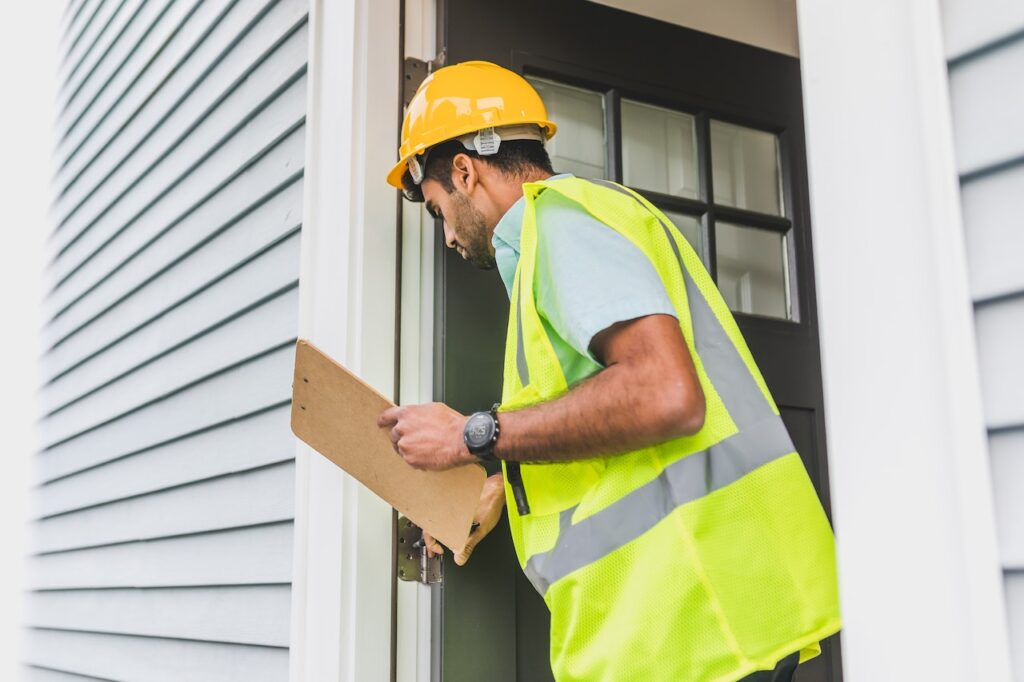
When selling a home in Dunwoody, Georgia, one crucial step in the process is the home inspection. Home inspections provide potential buyers with a comprehensive evaluation of the property’s condition, helping them make informed decisions. As a seller, preparing for inspections can contribute to a successful sale and a smoother transaction overall. In this article, we’ll explore essential tips for preparing for inspections and ensuring a seamless process when selling your home in Dunwoody.

Photo by RDNE Stock project: https://www.pexels.com/photo/man-in-yellow-safety-reflective-vest-with-hard-hat-doing-house-inspection-8293667/

Understand the Inspection Process:
Familiarize yourself with the home inspection process in Dunwoody. Inspectors evaluate the property’s structural integrity, systems, and major components. Understanding what inspectors typically look for will help you anticipate potential issues.

Complete Repairs and Maintenance:
Before the inspection, address any necessary repairs and maintenance tasks. Fix leaky faucets, repair broken tiles, and ensure that electrical and plumbing systems are in working order. Addressing these issues demonstrates your commitment to maintaining the property.

Clean and Declutter:
A clean and clutter-free home makes a positive impression during inspections. Clear out personal belongings, declutter spaces, and ensure all areas, including attics and basements, are accessible for inspection.

Provide Documentation:
Keep a record of recent repairs, maintenance, and renovations. Providing documentation can reassure potential buyers that the property has been well taken care of and that any reported issues have been addressed.

Check Exterior Areas:
Inspections cover both the interior and exterior of the home. Ensure that exterior areas, such as the roof, gutters, siding, and landscaping, are well-maintained. Clean debris from gutters and trim overgrown vegetation.

Test Appliances and Systems:
Inspectors will test appliances and systems such as HVAC, plumbing, electrical, and kitchen appliances. Ensure that all appliances are in good working condition and address any issues that may arise during testing.

Provide Access to Attic and Basement:
Make sure that the attic and basement are accessible for inspection. Clear away any stored items that may obstruct the inspector’s view and access to these areas.

Check Safety Features:
Inspectors will also check safety features, such as smoke detectors, carbon monoxide detectors, and fire extinguishers. Make sure these features are functional and have fresh batteries.

Address Pest and Mold Concerns:
Address any pest or mold issues before the inspection. These issues can raise red flags for potential buyers and may impact the outcome of the sale.

Leave Utilities Connected:
Ensure that all utilities are connected and functional for the inspection. This allows inspectors to test heating, cooling, plumbing, and electrical systems accurately.

Plan for Pets:
If you have pets, plan for their presence during the inspection. Consider keeping them in a designated area or having them taken care of elsewhere to minimize distractions.

Accompany the Inspector:
While it’s not required, it can be beneficial to be present during the inspection. You can answer any questions the inspector may have and provide insights into the property’s history.

Be Transparent:
If there are known issues with the property, it’s best to be transparent with the inspector and potential buyers. Hiding or downplaying issues can lead to trust issues later in the process.

Keep a Positive Attitude:
Approach the inspection process with a positive attitude. Remember that inspections are a standard part of the real estate transaction and provide an opportunity to address concerns upfront.

Preparing for inspections is a critical aspect of selling your home in Dunwoody. By understanding the inspection process, completing necessary repairs, providing documentation, and ensuring the property is well-maintained, you set the stage for a successful inspection. A smooth inspection process can instill confidence in potential buyers and contribute to a seamless transaction. By investing time and effort into preparing for inspections, you increase the likelihood of a favorable outcome and a successful sale of your home in Dunwoody, Georgia.

Transitioning to Your Next Home Managing the Logistics and Emotions of Selling in Dunwoody

Selling a home is not just a financial transaction; it’s a significant life transition that involves a mix of logistics and emotions. This is especially true when you’re selling your home in a desirable community like Dunwoody, Georgia. As you embark on this journey, it’s essential to navigate both the practical aspects and the emotional journey of transitioning to your next home. In this article, we’ll explore how to manage the logistics and emotions of selling your home in Dunwoody.

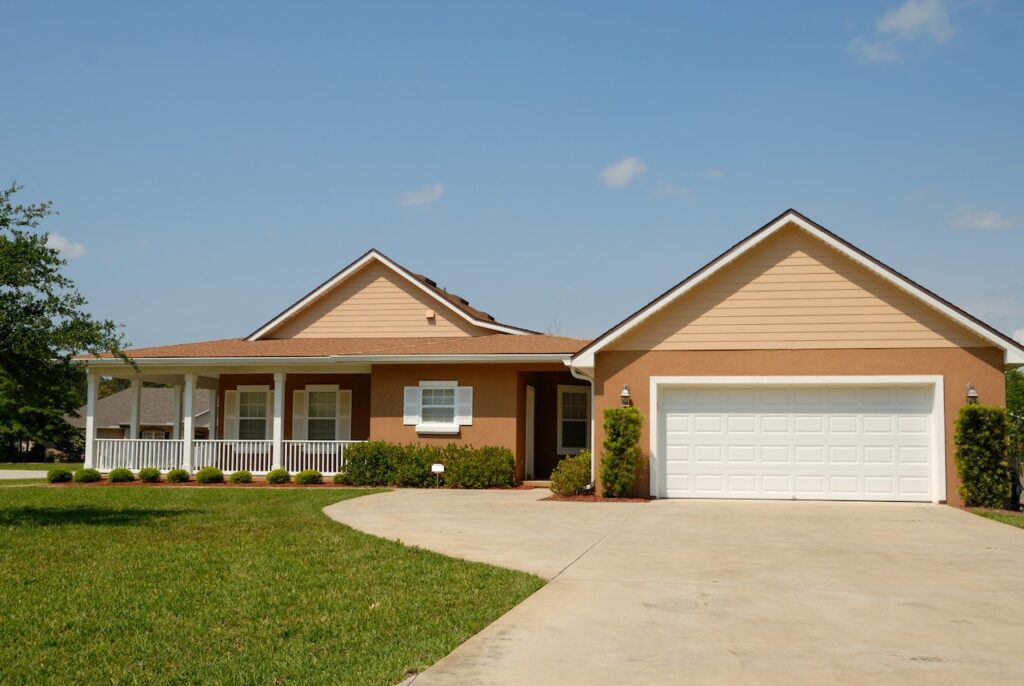
Photo by Pixabay: https://www.pexels.com/photo/white-and-brown-concrete-bungalow-under-clear-blue-sky-210617/

Logistics of Transition:

Creating a Timeline:
Start by establishing a clear timeline for the selling process and your move. Factor in the time needed for preparing your home for sale, marketing, negotiations, and the closing process. Having a well-defined timeline helps you manage tasks and avoid last-minute rushes.

Decluttering and Packing:
As you prepare your home for showings, take the opportunity to declutter and pack. Organize your belongings, donate or discard items you no longer need, and pack the essentials. Organized spaces not only make your home more attractive to buyers but also make the moving process smoother.

Storing and Moving Possessions:
Research moving companies and storage options in Dunwoody. Determine whether you’ll need temporary storage for belongings during the transition. A reliable moving company can handle packing, transporting, and unpacking your possessions, reducing stress during the move.

Notifying Utilities and Change of Address:
Ensure a seamless transition by notifying utility companies about your move and scheduling service disconnections or transfers. Additionally, update your address with the post office, banks, subscriptions, and any other relevant institutions.

Finalizing Legal and Financial Aspects:
Work closely with your real estate agent and attorney to ensure all legal and financial aspects are in order. This includes reviewing contracts, attending inspections, and understanding your financial responsibilities throughout the process.

Leaving a Good Impression:
Leave your home in excellent condition for the new owners. This not only showcases your respect for the property but also sets a positive tone for your move to the next home.

Emotional Transition:

Acknowledge Your Feelings:
Selling a home can evoke a range of emotions, from excitement about a new chapter to nostalgia for the memories you’ve created. Acknowledge these feelings and give yourself permission to experience them.

Focus on the Positive:
While saying goodbye to your current home can be bittersweet, focus on the positive aspects of the transition. Think about the new opportunities, experiences, and memories that await you in your next home.

Create a Vision for Your New Home:
Visualize your future in your new home. Imagine how you’ll arrange the furniture, decorate the space, and make it uniquely yours. This can create a sense of anticipation and excitement for the move.

Stay Connected to Dunwoody:
If you’re leaving a community you love, find ways to stay connected. Visit your favorite local spots, maintain relationships with neighbors, and attend community events. Technology allows you to stay engaged even when you’re physically elsewhere.

Say Goodbye in Your Own Way:
Plan a meaningful way to say goodbye to your old home. Whether it’s a small gathering with friends and neighbors or a personal reflection, creating closure can help you emotionally transition to the next phase.

Lean on Support:
Transitioning is easier when you have a support system. Lean on family, friends, or support groups to share your feelings and experiences. They can provide perspective, advice, and a listening ear.

Mindful Self-Care:
Amidst the logistics, prioritize self-care. Engage in activities that bring you joy and relaxation. Whether it’s reading, walking, practicing yoga, or spending time with loved ones, self-care helps you manage stress and maintain emotional well-being.

Celebrate New Beginnings:
Embrace the concept of new beginnings. Celebrate the milestones of selling your home and moving to a new place. Create rituals or traditions that mark this transformative period in your life.

Transitioning to your next home in Dunwoody involves a balance of logistics and emotions. While practical considerations such as timelines, decluttering, and legalities are important, acknowledging and managing the emotional aspects of the process is equally vital. By addressing both the practical and emotional dimensions, you can navigate the transition with grace and positivity. Remember, your move isn’t just about leaving one place; it’s about stepping into a new chapter filled with opportunities, growth, and exciting experiences in your next home.

Making an Informed Decision: Renting vs. Buying a Home in Dunwoody, Georgia

The decision to rent or buy a home is one of the most significant financial choices individuals and families face. In the sought-after community of Dunwoody, Georgia, this decision is no exception. Both renting and buying have their advantages and disadvantages, and the choice ultimately depends on individual circumstances, financial goals, and lifestyle preferences. In this article, we will explore the factors to consider when deciding between renting and buying a home in Dunwoody.

Photo by Pixabay: https://www.pexels.com/photo/white-roll-up-door-277667/

Financial Considerations:
One of the primary factors to consider when deciding between renting and buying is the financial aspect. Each option comes with its own set of costs and long-term implications.

A. Renting:

Renting typically requires a security deposit and monthly rental payments.
Renting allows for more flexibility in terms of moving, as lease agreements are usually shorter-term commitments.
Renting may require renter’s insurance to protect personal belongings.

B. Buying:

Buying a home involves a down payment, closing costs, and monthly mortgage payments.
Homeownership builds equity over time, allowing homeowners to build wealth through appreciation.

Property taxes, homeowner’s insurance, and maintenance costs are additional expenses associated with homeownership.

Long-Term Plans:
Consider your long-term plans when deciding between renting and buying. If you anticipate staying in Dunwoody for a short period, such as a few years, renting might be a more suitable option. On the other hand, if you plan to stay in the area for a more extended period and are looking to establish roots, buying a home can provide stability and potential investment benefits.

Market Conditions:
Dunwoody’s real estate market conditions can influence the decision to rent or buy. Factors such as housing prices, interest rates, and housing supply can impact affordability and overall value. In a competitive seller’s market with rising prices and low inventory, renting may be a more practical short-term option until the market becomes more favorable for buyers.

Tax Implications:
Homeownership often comes with tax benefits that can positively impact your financial situation. Deductible expenses, such as mortgage interest and property taxes, can lower your taxable income. Consult with a tax professional to understand the potential tax advantages of homeownership in Dunwoody.

Maintenance and Responsibilities:
Renting and homeownership differ significantly in terms of maintenance responsibilities. As a renter, the landlord is typically responsible for property maintenance and repairs. Conversely, homeowners are responsible for maintaining and repairing their property. Factor in the time, effort, and potential costs associated with property upkeep when deciding between renting and buying.

Lifestyle and Flexibility:
Consider your lifestyle and the flexibility you desire in your living situation. Renting provides more flexibility to move without the commitment of selling a property. Homeownership offers the opportunity to customize and make long-term changes to your home to suit your preferences.

Investment Potential:
Homeownership can be an investment that appreciates over time. If the real estate market in Dunwoody is stable and showing potential for growth, buying a home can be a way to build equity and wealth. However, it’s important to note that the real estate market can fluctuate, and there are no guarantees of future property value increases.

Homeownership Costs:
Beyond the initial costs of buying a home, consider the ongoing costs of homeownership. This includes property taxes, homeowner’s insurance, maintenance, and potential HOA fees. Factor in these expenses when evaluating the affordability of buying a home in Dunwoody.

Renting Benefits:
Renting has its advantages, such as:

Predictable monthly expenses, as rent amounts are fixed during the lease term.
Limited financial responsibility for property repairs and maintenance.
No need to worry about property value fluctuations or real estate market changes.

Buying Benefits:
Buying a home has its advantages, such as:

Building equity and potential for property value appreciation.
Freedom to customize and personalize your living space.
Stability and a sense of belonging in the community.

Deciding whether to rent or buy a home in Dunwoody, Georgia, requires careful consideration of various factors. Analyze your financial situation, long-term plans, market conditions, tax implications, maintenance responsibilities, lifestyle preferences, and investment potential. Both renting and buying offer unique benefits and challenges, and the choice ultimately depends on your specific circumstances and priorities. Take the time to assess your needs and consult with real estate professionals to make an informed decision that aligns with your financial goals and lifestyle aspirations. Whether you choose to rent or buy, Dunwoody’s vibrant community and thriving real estate market offer opportunities for a fulfilling and enjoyable living experience.

Tips for Selling a Luxury Home in Dunwoody, Georgia’s Upscale Market

Selling a luxury home in Dunwoody, Georgia’s upscale market requires a strategic approach that caters to discerning buyers and showcases the unique features and amenities of the property. As an affluent and sought-after community, Dunwoody’s luxury real estate market demands careful planning, attention to detail, and effective marketing strategies. In this article, we will explore essential tips to successfully sell a luxury home in Dunwoody’s upscale market.

Photo by Expect Best: https://www.pexels.com/photo/modern-building-against-sky-323780/

Highlight the Unique Features:
Luxury homes in Dunwoody often boast distinctive architectural designs, high-end finishes, and luxurious amenities. Ensure that the property’s unique features are showcased in the marketing materials and during showings. Professional photography and virtual tours should capture the elegance and opulence of the home’s interior and exterior spaces. Emphasize features such as grand entryways, gourmet kitchens, luxurious master suites, outdoor living areas, and custom-designed elements that set the property apart from others.

Set the Right Price:
Accurately pricing a luxury home is crucial in attracting serious buyers. Collaborate with a knowledgeable real estate agent who specializes in the luxury market to conduct a thorough comparative market analysis (CMA). This analysis evaluates recent sales of similar luxury properties in Dunwoody to determine the optimal listing price. Pricing a luxury home too high may deter potential buyers, while pricing it too low could undervalue the property. Striking the right balance ensures that the property garners attention and attracts qualified buyers.

Utilize Targeted Marketing:
When selling a luxury home, a targeted marketing approach is essential. Tailor marketing efforts to reach the right audience of high-net-worth individuals and potential luxury buyers. Utilize upscale print publications, high-end real estate websites, and social media platforms to promote the property’s exclusivity and sophistication. Engaging in direct marketing, such as sending elegant brochures or postcards to affluent communities, can also be effective in attracting potential buyers.

Professional Staging:
Staging a luxury home is essential to create a captivating and aspirational atmosphere. Engage the services of a professional staging company that specializes in luxury properties. They can enhance the home’s appeal by arranging high-quality furnishings, art, and decor that complement the property’s style and architecture. A well-staged luxury home creates an emotional connection with potential buyers and helps them envision themselves living the upscale lifestyle.

Work with a Specialized Luxury Real Estate Agent:
Partnering with a real estate agent who has experience in the luxury market is crucial. A specialized agent understands the intricacies of selling high-end properties and has a vast network of affluent clients and industry contacts. They can effectively market the property, negotiate on your behalf, and navigate the complexities of luxury real estate transactions. Choose an agent who has a proven track record of successfully selling luxury homes in Dunwoody’s upscale market.

Offer Exclusive and Unique Experiences:
Dunwoody’s luxury buyers seek more than just a home; they desire exclusive experiences. Consider hosting private events or exclusive viewings to attract high-net-worth individuals. Collaborate with local luxury businesses, such as high-end restaurants, spas, or boutique retailers, to offer exclusive incentives or experiences to potential buyers. These unique offerings can set your luxury home apart from others and create a sense of prestige.

Emphasize Location and Lifestyle:
Dunwoody’s prestigious location and exceptional lifestyle are significant selling points for luxury homes. Highlight the area’s top-rated schools, proximity to fine dining and upscale shopping, golf courses, country clubs, and outdoor recreational facilities. Emphasize the privacy and security that Dunwoody’s affluent communities provide. Present the property as a sanctuary that offers the perfect blend of luxury living and convenient access to all the amenities of a vibrant community.

Upgrade the Curb Appeal:
A luxury home’s curb appeal sets the tone for the buyer’s impression of the property. Enhance the landscaping, ensure the exterior is well-maintained, and consider repainting or updating the entryway to create a grand and welcoming first impression. Luxury buyers often seek exclusivity and privacy, so invest in features like gated entrances or long driveways to enhance the property’s allure.

Be Flexible with Showings:
Selling a luxury home may require accommodating busy schedules and international buyers. Be prepared to schedule showings at various times, including weekends and evenings, to accommodate potential buyers. Additionally, consider offering virtual tours or remote showings for out-of-town buyers who may not be able to visit the property in person.

Be Discerning with Buyers:
Given the exclusivity and uniqueness of luxury properties, be discerning with potential buyers. Focus on serious, qualified buyers who can afford the property and are genuinely interested in purchasing a luxury home in Dunwoody. Engage in in-depth discussions with potential buyers and their agents to assess their level of interest and ability to close the deal.

Selling a luxury home in Dunwoody, Georgia’s upscale market requires a strategic approach that highlights the property’s unique features and caters to discerning buyers. From showcasing the unique features and utilizing targeted marketing to professional staging and collaborating with specialized luxury real estate agents, these tips can help maximize the value of your luxury property and attract qualified buyers. Emphasize the exclusive lifestyle, exceptional location, and high-end amenities that Dunwoody offers, ensuring potential buyers envision the luxurious and sophisticated living experience your property provides. With the right marketing, pricing, and presentation, you can achieve a successful sale in Dunwoody’s prestigious luxury real estate market.

Renovations and Home Improvements: Adding Value to Your Dunwoody, Georgia Property

Renovating or making home improvements not only enhances your living space but can also add significant value to your property in Dunwoody, Georgia. Strategic upgrades can attract potential buyers, increase the market appeal of your home, and potentially lead to a higher selling price. In this article, we will explore various renovation and improvement projects that can add value to your Dunwoody property.

Kitchen Remodeling:
The kitchen is often considered the heart of the home and a focal point for buyers. A well-designed and updated kitchen can have a significant impact on your property’s value. Consider replacing outdated appliances with energy-efficient models, updating countertops and cabinetry, adding a fresh coat of paint, and upgrading lighting fixtures. Focus on creating a functional and aesthetically pleasing space that appeals to modern tastes.

Photo by Max Rahubovskiy

Bathroom Upgrades:
Bathrooms are another area where renovations can make a big difference. Updating fixtures, such as faucets, showerheads, and toilets, can give the space a modern and fresh look. Consider replacing worn-out flooring, updating the vanity, and adding stylish yet functional storage solutions. Adding extra touches like heated floors or a luxurious spa-like shower can also increase the value and desirability of your property.

Energy-Efficient Improvements:
Incorporating energy-efficient upgrades not only appeals to environmentally conscious buyers but can also lead to long-term savings on utility bills. Consider installing energy-efficient windows and doors, upgrading insulation, and replacing outdated HVAC systems with more energy-efficient options. Additionally, adding solar panels or utilizing renewable energy sources can be attractive features that add value to your property while reducing energy costs.

Outdoor Enhancements:
Dunwoody’s pleasant climate and natural surroundings make outdoor living spaces highly desirable. Enhancing your outdoor area can significantly add value to your property. Create an inviting outdoor living space by adding a patio or deck, installing outdoor lighting, and creating a landscaped garden or backyard oasis. Incorporate features such as fire pits, outdoor kitchens, or water features to enhance the outdoor experience and make your property stand out.

Open Floor Plans:
Open floor plans are increasingly popular among homebuyers. Removing non-load-bearing walls to create an open and spacious layout can transform the feel of your home. Opening up the kitchen to the living and dining areas or removing walls to create a more seamless flow can make your property feel more modern and appealing. Consult with a professional to ensure the structural integrity of your home during this process.

Basement and Attic Conversions:
Unused basement or attic space can be transformed into valuable living areas. Converting these areas into functional spaces such as home offices, guest bedrooms, or entertainment rooms adds usable square footage and enhances the overall value of your property. Ensure proper insulation, lighting, and ventilation to make these areas comfortable and inviting.

Curb Appeal:
First impressions matter, and enhancing your home’s curb appeal can significantly impact its value. Consider repainting the exterior, replacing the front door, updating landscaping, and adding outdoor lighting. Maintaining a well-manicured lawn, planting colorful flowers, and ensuring the exterior is well-maintained can create a positive first impression for potential buyers.

Smart Home Technology:
Incorporating smart home technology can be an attractive selling feature for modern buyers. Install smart thermostats, security systems, and lighting controls that allow homeowners to manage their home’s functions remotely. Smart home features not only add convenience but can also increase energy efficiency and appeal to tech-savvy buyers.

Updated Flooring:
Replacing outdated or worn flooring can instantly transform the look and feel of your home. Consider replacing carpet with hardwood or laminate flooring, which is highly sought after by buyers. If hardwood flooring is not within your budget, high-quality vinyl or tile flooring can be a cost-effective alternative that still adds value.

Fresh Paint:
A fresh coat of paint can do wonders for your property’s appearance. Neutral colors are recommended as they appeal to a wide range of buyers and allow them to envision their own style in the space. Repainting walls, trim, and ceilings can give your home a clean and updated look, making it more attractive to potential buyers.

Renovations and home improvements have the potential to add significant value to your property in Dunwoody, Georgia. From kitchen and bathroom upgrades to energy-efficient improvements, outdoor enhancements, open floor plans, basement and attic conversions, curb appeal, smart home technology, updated flooring, and fresh paint, strategic upgrades can attract buyers and increase the market appeal of your home. Consider the preferences of potential buyers in Dunwoody and focus on projects that provide the highest return on investment. Consult with professionals when necessary to ensure quality workmanship and compliance with local regulations. By investing in renovations and improvements, you can enjoy an enhanced living space and maximize the value of your Dunwoody property.

Hiring a Real Estate Attorney: The Benefits and Importance in Dunwoody, Georgia

When buying or selling a property in Dunwoody, Georgia, it’s essential to have the guidance and expertise of a real estate attorney. Real estate transactions involve complex legal processes, contracts, and potential risks. A real estate attorney specializes in navigating these intricacies to protect your interests and ensure a smooth transaction. In this article, we will explore the benefits and importance of hiring a real estate attorney in Dunwoody.

Legal Expertise:
Real estate attorneys have in-depth knowledge of property laws and regulations in Dunwoody, Georgia. They stay updated on the latest legal developments and can provide expert guidance throughout the transaction process. Whether you’re buying or selling a property, an attorney will review contracts, draft legal documents, and ensure compliance with local laws and regulations. Their legal expertise is invaluable in safeguarding your rights and interests.

Contract Review and Negotiation:
Real estate transactions involve numerous contracts, including purchase agreements, sales contracts, and lease agreements. These documents are legally binding and contain critical terms and conditions that impact your rights and obligations. A real estate attorney will thoroughly review these contracts, ensuring that they accurately represent your interests and protect you from potential pitfalls. They can negotiate on your behalf to secure favorable terms, address contingencies, and clarify any ambiguities in the contract.

Title Search and Insurance:
A crucial aspect of any real estate transaction is verifying the property’s title and ensuring its transfer is free from any encumbrances or claims. Real estate attorneys conduct comprehensive title searches to identify any liens, easements, or other issues that may affect the property’s ownership. They can also help you obtain title insurance, which protects against unforeseen title defects or claims. Having an attorney oversee the title search and insurance process mitigates the risk of encountering title-related problems down the line.

Mitigating Legal Risks:
Real estate transactions carry inherent legal risks. From undisclosed property defects to zoning restrictions, unforeseen legal issues can arise that may affect your investment. A real estate attorney is trained to identify and address potential risks, ensuring that you are protected throughout the transaction. They can review property disclosures, investigate potential environmental concerns, and advise on any legal implications of the transaction. By having an attorney by your side, you can navigate potential legal hurdles with confidence.

Complex Transactions and Special Circumstances:
Some real estate transactions involve complexities or special circumstances that require legal expertise. This can include purchasing commercial properties, dealing with foreclosures or short sales, navigating 1031 exchanges, or negotiating lease agreements. Real estate attorneys have the knowledge and experience to handle these complex transactions and guide you through the legal intricacies involved. Their expertise ensures that all legal requirements are met and that your interests are protected in even the most challenging situations.

Dispute Resolution and Litigation:
In the unfortunate event of a real estate dispute or legal conflict, having a real estate attorney on your side can be crucial. They can represent your interests in negotiations, mediations, or even court proceedings, if necessary. Real estate attorneys have the expertise to analyze the situation, develop legal strategies, and advocate for your rights. Their goal is to resolve disputes efficiently and protect your interests throughout the litigation process.

Streamlining the Transaction Process:
Buying or selling a property can be a complex and time-consuming process. A real estate attorney acts as your guide and streamlines the transaction process. They coordinate with other parties involved, such as real estate agents, lenders, and title companies, to ensure a smooth and efficient closing. Their attention to detail and knowledge of the legal requirements reduce the likelihood of delays or mistakes that could jeopardize the transaction.

Peace of Mind:
One of the significant benefits of hiring a real estate attorney is the peace of mind they provide. Knowing that a legal professional is overseeing your transaction and protecting your interests can alleviate stress and uncertainty. You can focus on the excitement of buying or selling a property while relying on the expertise and guidance of your attorney.

Hiring a real estate attorney is a wise investment when buying or selling a property in Dunwoody, Georgia. Their legal expertise, contract review and negotiation skills, title search and insurance assistance, risk mitigation, handling of complex transactions, dispute resolution capabilities, ability to streamline the transaction process, and provision of peace of mind are invaluable assets. A real estate attorney ensures that your rights and interests are protected, reduces legal risks, and provides guidance throughout the entire transaction process. By working with a real estate attorney in Dunwoody, you can navigate the complexities of real estate transactions with confidence and achieve a successful outcome.