
Negotiating with Confidence: Navigating Offers and Counteroffers When Selling Your House in Dunwoody

Negotiating offers and counteroffers is a critical part of the home-selling process in Dunwoody, Georgia. It’s where both parties work together to reach an agreement that satisfies both the seller and the buyer.

Photo by Dhruv Mehra on Unsplash

The key to success in negotiations is to approach the process with confidence, understanding, and a clear strategy. In this article, we’ll explore essential tips for negotiating with confidence when selling your house in Dunwoody.

  1. Establish Your Priorities:

Before entering negotiations, it’s crucial to clarify your priorities and goals. What is your bottom line in terms of the sale price, closing date, and other terms? Understanding what’s most important to you allows you to negotiate more effectively.

  1. Work with a Skilled Real Estate Agent:

A knowledgeable Dunwoody real estate agent is an invaluable asset during negotiations. They can provide guidance, market insights, and help you make informed decisions. Trust their expertise in pricing, market conditions, and negotiation strategies.

  1. Be Patient:

Negotiations can take time, and it’s not uncommon to go through several rounds of offers and counteroffers. Patience is essential, as it allows both parties to carefully consider each other’s positions and come to an agreement that works for everyone.

  1. Understand the Local Market:

Dunwoody’s real estate market is subject to unique conditions. Understanding these local dynamics can help you set realistic expectations and make informed decisions during negotiations.

  1. Respond Promptly:

In a competitive market like Dunwoody, timing matters. Respond to offers and counteroffers promptly to keep the negotiation process moving forward. Delays can lead to lost opportunities.

  1. Know the Buyer’s Motivation:

Understanding the buyer’s motivations can be advantageous. Are they in a hurry to move in, or are they more focused on securing a lower price? Tailor your counteroffer strategy based on what you know about the buyer.

  1. Avoid Emotional Reactions:

Emotions can run high during negotiations, but it’s crucial to stay composed. Avoid reacting emotionally to offers or counteroffers. Instead, focus on the facts and your priorities.

  1. Determine Your Walk-Away Point:

Before negotiations begin, establish a clear walk-away point. This is the point at which you’re willing to decline an offer and consider other options. Knowing your limits in advance can prevent you from making impulsive decisions.

  1. Prioritize Non-Monetary Terms:

Negotiations aren’t just about the sale price. Consider other terms that may be equally important, such as the closing date, contingencies, and any concessions you’re willing to make.

  1. Be Open to Creative Solutions:

Flexibility can be an advantage in negotiations. Be open to creative solutions that meet both your and the buyer’s needs. For example, offering to leave behind certain furnishings or cover specific closing costs can be a win-win.

  1. Review All Offers:

Even if an offer seems low or unfavorable, carefully review it. There may be elements in the offer that are negotiable, such as closing dates or contingencies. Your real estate agent can help you identify these points.

  1. Communicate Through Your Agent:

It’s often best to communicate through your real estate agent during negotiations. They can convey messages and counteroffers professionally and objectively.

  1. Counteroffer Strategically:

When countering an offer, do so strategically. Be clear about the terms you’re willing to adjust and those you won’t. Avoid making extreme counteroffers that can alienate potential buyers.

  1. Keep the Big Picture in Mind:

Remember the ultimate goal is to sell your house. Don’t let minor disagreements or concessions derail the entire process. Focus on the big picture and the successful outcome you’re working toward.

  1. Get Legal Advice When Necessary:

If negotiations become particularly complex or involve legal considerations, consider seeking advice from a real estate attorney. They can help ensure that you’re making sound decisions within the bounds of the law.

Negotiating with confidence when selling your house in Dunwoody, Georgia, involves a combination of preparation, patience, and clear communication. By understanding your priorities, working with a skilled real estate agent, and staying composed, you can navigate offers and counteroffers successfully and ultimately achieve a favorable sale.
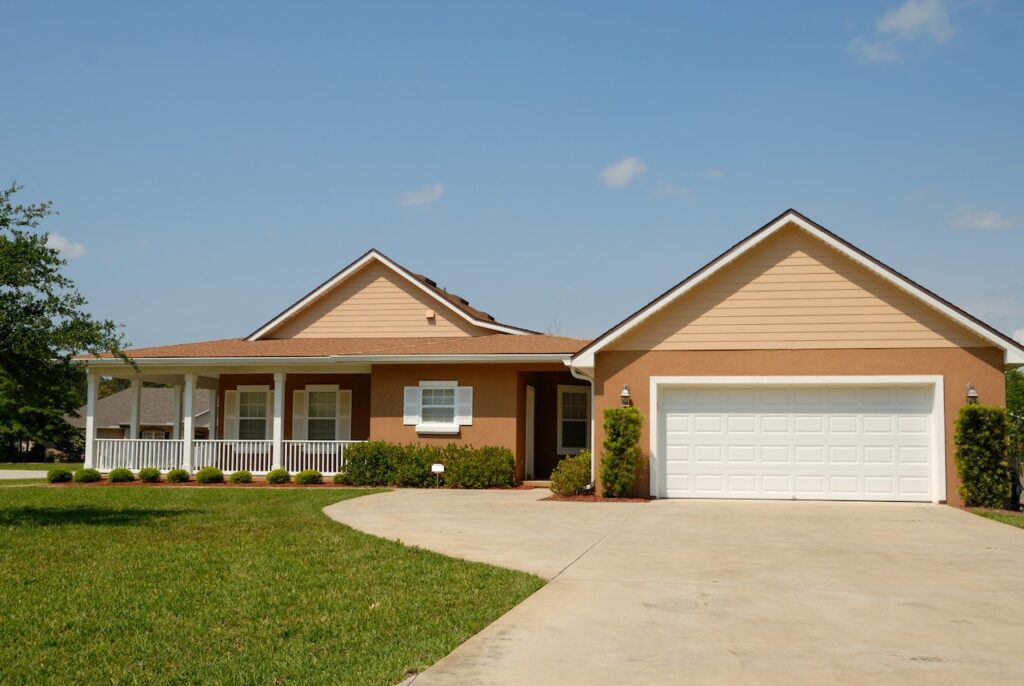

Making an Informed Decision: Renting vs. Buying a Home in Dunwoody, Georgia

The decision to rent or buy a home is one of the most significant financial choices individuals and families face. In the sought-after community of Dunwoody, Georgia, this decision is no exception. Both renting and buying have their advantages and disadvantages, and the choice ultimately depends on individual circumstances, financial goals, and lifestyle preferences. In this article, we will explore the factors to consider when deciding between renting and buying a home in Dunwoody.

Photo by Pixabay: https://www.pexels.com/photo/white-roll-up-door-277667/

Financial Considerations:
One of the primary factors to consider when deciding between renting and buying is the financial aspect. Each option comes with its own set of costs and long-term implications.

A. Renting:

Renting typically requires a security deposit and monthly rental payments.
Renting allows for more flexibility in terms of moving, as lease agreements are usually shorter-term commitments.
Renting may require renter’s insurance to protect personal belongings.

B. Buying:

Buying a home involves a down payment, closing costs, and monthly mortgage payments.
Homeownership builds equity over time, allowing homeowners to build wealth through appreciation.

Property taxes, homeowner’s insurance, and maintenance costs are additional expenses associated with homeownership.

Long-Term Plans:
Consider your long-term plans when deciding between renting and buying. If you anticipate staying in Dunwoody for a short period, such as a few years, renting might be a more suitable option. On the other hand, if you plan to stay in the area for a more extended period and are looking to establish roots, buying a home can provide stability and potential investment benefits.

Market Conditions:
Dunwoody’s real estate market conditions can influence the decision to rent or buy. Factors such as housing prices, interest rates, and housing supply can impact affordability and overall value. In a competitive seller’s market with rising prices and low inventory, renting may be a more practical short-term option until the market becomes more favorable for buyers.

Tax Implications:
Homeownership often comes with tax benefits that can positively impact your financial situation. Deductible expenses, such as mortgage interest and property taxes, can lower your taxable income. Consult with a tax professional to understand the potential tax advantages of homeownership in Dunwoody.

Maintenance and Responsibilities:
Renting and homeownership differ significantly in terms of maintenance responsibilities. As a renter, the landlord is typically responsible for property maintenance and repairs. Conversely, homeowners are responsible for maintaining and repairing their property. Factor in the time, effort, and potential costs associated with property upkeep when deciding between renting and buying.

Lifestyle and Flexibility:
Consider your lifestyle and the flexibility you desire in your living situation. Renting provides more flexibility to move without the commitment of selling a property. Homeownership offers the opportunity to customize and make long-term changes to your home to suit your preferences.

Investment Potential:
Homeownership can be an investment that appreciates over time. If the real estate market in Dunwoody is stable and showing potential for growth, buying a home can be a way to build equity and wealth. However, it’s important to note that the real estate market can fluctuate, and there are no guarantees of future property value increases.

Homeownership Costs:
Beyond the initial costs of buying a home, consider the ongoing costs of homeownership. This includes property taxes, homeowner’s insurance, maintenance, and potential HOA fees. Factor in these expenses when evaluating the affordability of buying a home in Dunwoody.

Renting Benefits:
Renting has its advantages, such as:

Predictable monthly expenses, as rent amounts are fixed during the lease term.
Limited financial responsibility for property repairs and maintenance.
No need to worry about property value fluctuations or real estate market changes.

Buying Benefits:
Buying a home has its advantages, such as:

Building equity and potential for property value appreciation.
Freedom to customize and personalize your living space.
Stability and a sense of belonging in the community.

Deciding whether to rent or buy a home in Dunwoody, Georgia, requires careful consideration of various factors. Analyze your financial situation, long-term plans, market conditions, tax implications, maintenance responsibilities, lifestyle preferences, and investment potential. Both renting and buying offer unique benefits and challenges, and the choice ultimately depends on your specific circumstances and priorities. Take the time to assess your needs and consult with real estate professionals to make an informed decision that aligns with your financial goals and lifestyle aspirations. Whether you choose to rent or buy, Dunwoody’s vibrant community and thriving real estate market offer opportunities for a fulfilling and enjoyable living experience.

What taxes do you pay when you sell a house in Dunwoody, Georgia?

Selling a house is an exciting but often complex process. In Dunwoody, Georgia, homeowners need to be aware of the various taxes that they will be required to pay when they sell their property. This article will provide an overview of the taxes that homeowners need to consider when selling a house in Dunwoody.

Capital Gains Tax

The capital gains tax is a federal tax that applies to the profit that you make from the sale of your home. This tax is calculated based on the difference between the amount you paid for the property and the amount you sold it for. However, there are some exemptions available that can reduce or eliminate the capital gains tax. For example, if you have lived in the property for at least two out of the past five years, you may qualify for an exclusion of up to $250,000 in profit if you’re a single filer, or up to $500,000 if you’re a married couple filing jointly.

Property Transfer Tax

The state of Georgia imposes a transfer tax on the sale of real estate. The tax is calculated based on the sales price of the property and is typically paid by the seller. The transfer tax in Dunwoody is currently $1.00 per $1,000 of the sales price. For example, if you sell your home for $400,000, you will be required to pay a transfer tax of $400.

Real Estate Agent Commission

When you sell your home, you will most likely work with a real estate agent. The agent’s commission is typically a percentage of the sale price of the property and is paid by the seller. The commission rate can vary, but it is typically around 5% to 6% of the sale price. It’s important to factor in this cost when calculating your expenses related to the sale of your home.

Property Taxes

Property taxes are based on the value of your home and are paid annually. When you sell your home, you will be responsible for paying any outstanding property taxes up to the date of the sale. The amount of property taxes owed will be prorated based on the date of the sale, so you will only be responsible for paying your share of the taxes up until the date of the sale.

Closing Costs

Closing costs are fees that are associated with the sale of a home and are typically paid by the seller. These costs can include things like attorney fees, title fees, and recording fees. The amount of closing costs can vary depending on the sale price of the property and the services that are needed to complete the sale.

In conclusion, when selling a house in Dunwoody, Georgia, there are several taxes that homeowners need to consider. These taxes include the capital gains tax, property transfer tax, real estate agent commission, property taxes, and closing costs. It’s important to factor in these costs when calculating the potential profit from the sale of your home. Working with a knowledgeable real estate agent can help you navigate the complex process of selling a home and ensure that you understand all of the costs associated with the sale.

What is the first step in selling a property

The first step in selling a property is to prepare yourself and your property for sale. Selling a property can be a complex process, and it is essential to get it right to ensure a smooth and successful sale. Here are some essential steps to take when selling a property:

Determine Your Selling Goals

The first step in selling your property is to determine your selling goals. Ask yourself questions like, “why am I selling my property?”, “what is the minimum price I am willing to accept?”, and “how quickly do I need to sell?”. Answering these questions will help you stay focused throughout the selling process.

Conduct Research

Conduct research on the local real estate market to understand what properties are selling for in your area. This will help you set a realistic price for your property and make informed decisions throughout the selling process. Researching the market will also help you identify any trends or patterns that could impact your sale.

Make Repairs and Improvements

Make any necessary repairs and improvements to your property before listing it for sale. A fresh coat of paint, new flooring, and minor repairs can make a significant difference in the value of your property. Small investments in improvements can lead to higher returns on your sale.

Hire a Real Estate Agent

Hiring a reputable real estate agent is one of the most important steps in selling a property. A real estate agent can help you set the right price, create a marketing plan, and handle negotiations with potential buyers. They can also provide valuable insights into the local real estate market and help you avoid common pitfalls.

Set the Right Price

Pricing your property correctly is crucial to a successful sale. Overpricing your property can lead to it sitting on the market for too long, which can turn off potential buyers. A real estate agent can help you determine the right price for your property based on its condition, location, and market trends.

Market Your Property

Marketing your property is essential to attracting potential buyers. Your real estate agent can help you create a marketing plan that includes listing your property on popular real estate websites, such as Zillow and Redfin, as well as social media platforms. They can also hold open houses and showcase your property to potential buyers.

Negotiate and Accept an Offer

Once you receive an offer on your property, it’s time to negotiate and accept the best offer. Your real estate agent can help you navigate negotiations and ensure that you get the best possible terms and price for your property. Once you’ve accepted an offer, it’s time to prepare for closing the sale.

In conclusion, selling a property requires preparation, research, and careful consideration. The first step in selling a property is to determine your selling goals and conduct research on the local real estate market. Make any necessary repairs and improvements to your property, hire a reputable real estate agent, set the right price, and market your property to potential buyers. Once you receive an offer, negotiate and accept the best offer, and prepare for closing the sale. By taking these steps, you can ensure a smooth and successful sale of your property.